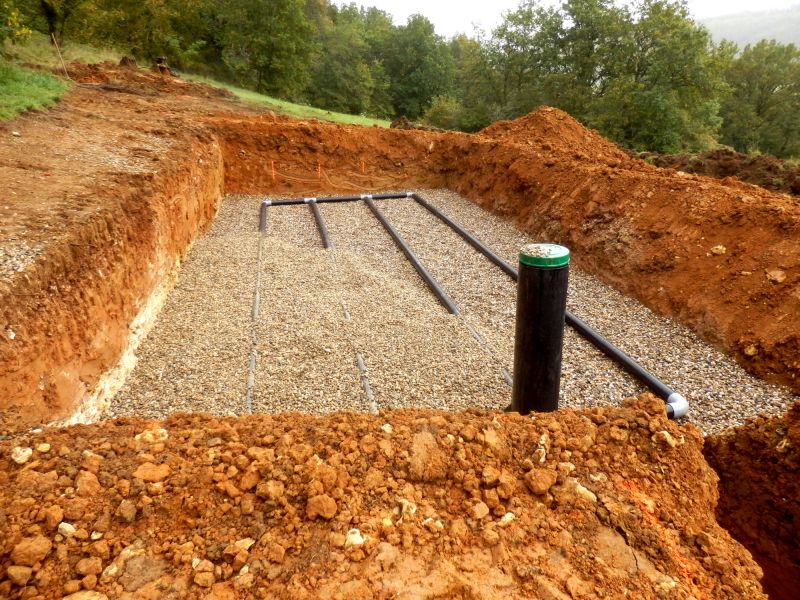
Drain Field Replacement in Denver, CO
Drain field replacement services involve removing and installing a new leach field, which is a crucial component of a septic system that disperses wastewater into the soil. This service is typically needed when the existing drain field has failed, become clogged, or is no longer functioning properly due to age or soil conditions. Projects can range from complete replacement of an old or damaged drain field to installing a new system for a property that is transitioning to septic waste management. Homeowners should understand the importance of proper site assessment, soil suitability, and system design to ensure the new drain field operates effectively and complies with local regulations.
Before requesting drain field replacement, property owners usually want to know about the signs indicating a need for replacement, such as persistent odors, slow drainage, or pooling wastewater. It’s also helpful to consider the size of the property, the number of bedrooms, and the overall soil conditions, as these factors influence the type and size of the replacement system. Understanding local codes and any necessary permits can streamline the process, and consulting with a professional can provide clarity on the best options for long-term performance and system longevity.
Many property owners in Denver, CO look into Drain Field Replacement for repairs, replacements, upgrades, and appearance-related improvements.
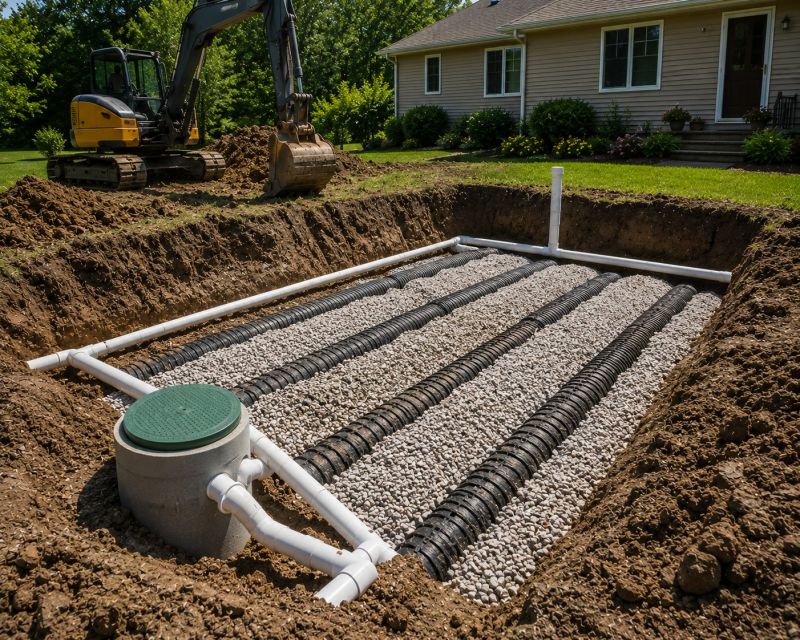
Signs You Need A Drain Field Replacement
Persistent backups or foul odors can indicate drain field issues that require replacement.
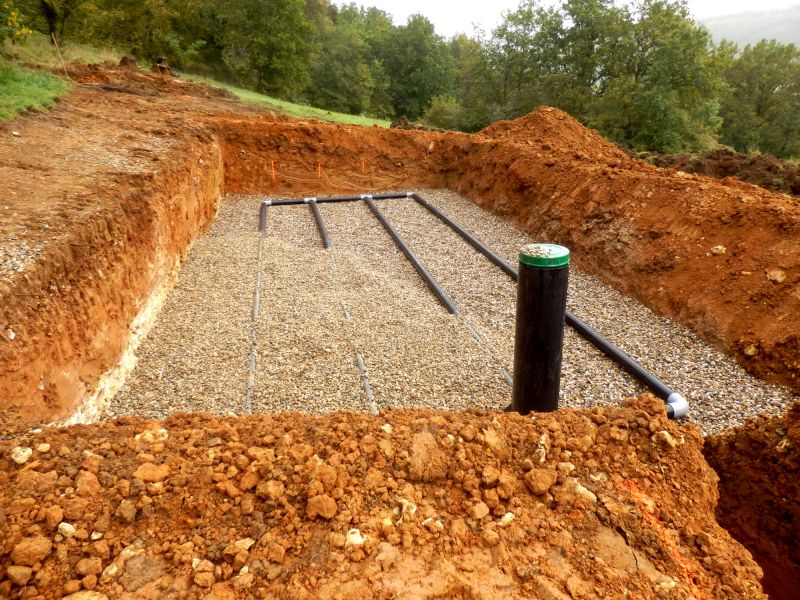
What To Expect During Replacement
The process involves removing the old drain field and installing a new system tailored to your property.
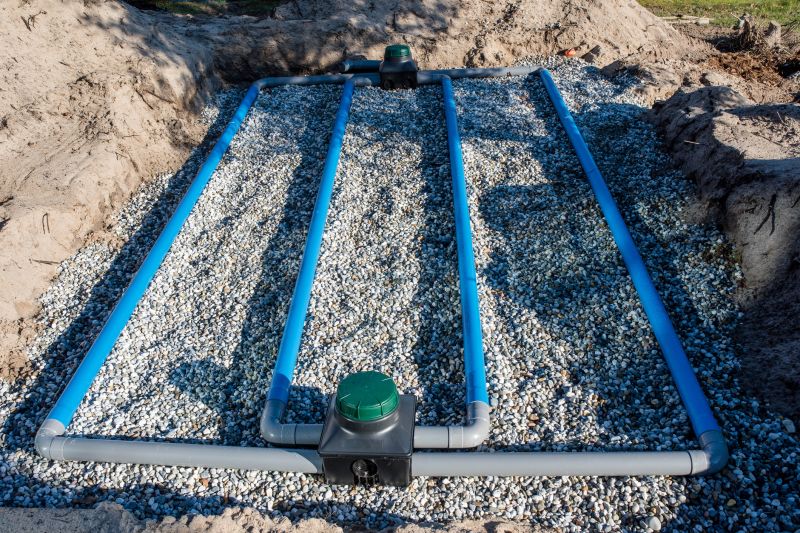
Benefits Of Replacing Your Drain Field
A new drain field can improve wastewater flow and prevent future system failures on your denver property.
Drain Field Replacement in Denver, CO

Drain field replacement services involve removing and installing a new leach field, which is a crucial component of a septic system that disperses wastewater into the soil. This service is typically needed when the existing drain field has failed, become clogged, or is no longer functioning properly due to age or soil conditions. Projects can range from complete replacement of an old or damaged drain field to installing a new system for a property that is transitioning to septic waste management. Homeowners should understand the importance of proper site assessment, soil suitability, and system design to ensure the new drain field operates effectively and complies with local regulations.
Before requesting drain field replacement, property owners usually want to know about the signs indicating a need for replacement, such as persistent odors, slow drainage, or pooling wastewater. It’s also helpful to consider the size of the property, the number of bedrooms, and the overall soil conditions, as these factors influence the type and size of the replacement system. Understanding local codes and any necessary permits can streamline the process, and consulting with a professional can provide clarity on the best options for long-term performance and system longevity.
Many property owners in Denver, CO look into Drain Field Replacement for repairs, replacements, upgrades, and appearance-related improvements.
Common Drain Field Replacement Jobs
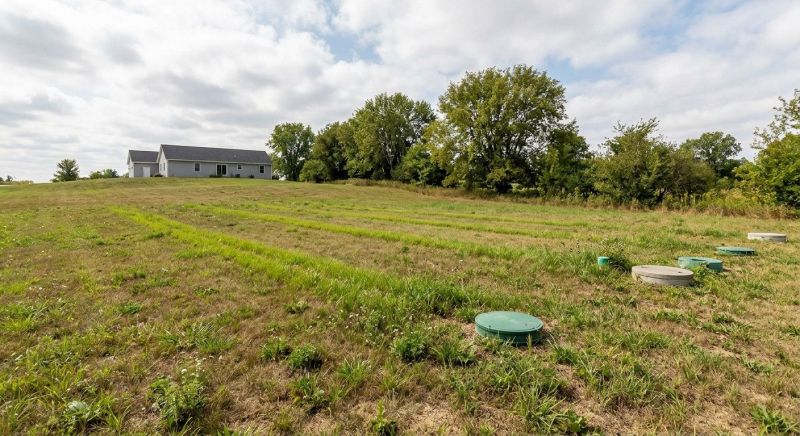
Drain field replacement services restore proper sewage disposal for residential properties.
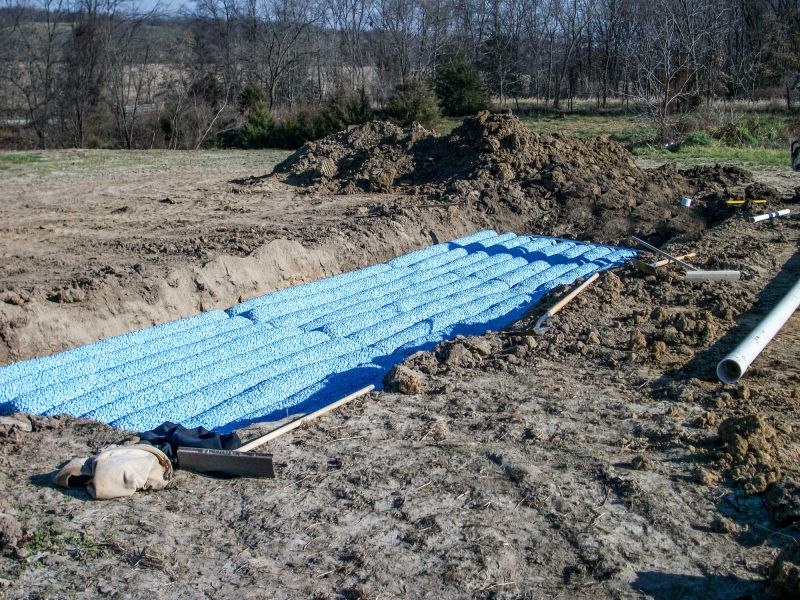
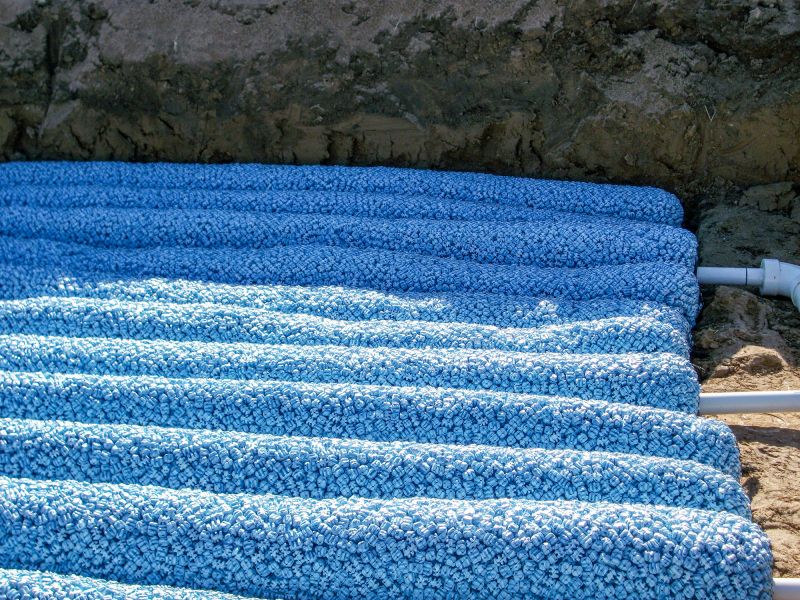
New drain fields are installed to replace aging or failing systems, ensuring reliable operation.
Property owners may need replacement if there are persistent odors, wet spots, or backups.
The process involves excavating the existing drain field and installing a new, functional system.
Proper site assessment helps determine the best location and design for replacement projects.
Drain field replacement helps prevent costly repairs and maintains compliance with local regulations.
Drain Field Replacement Questions
What is drain field replacement? It involves removing and installing a new drain field system to ensure proper wastewater dispersal from a septic system.
When is drain field replacement needed? It is typically required when the existing drain field fails to drain properly, shows signs of saturation, or has significant damage or clogging.
What are common signs of a failing drain field? Signs include persistent odors, soggy or patchy yard areas, slow drains, and backups in plumbing fixtures.
How should property owners prepare for drain field replacement? Clear the area around the existing system and ensure easy access for equipment and personnel to perform the work efficiently.
Request Drain Field Replacement in Denver, CO
Use the quote form on this page to share the basics of your project and request more information for the type of work you need.